
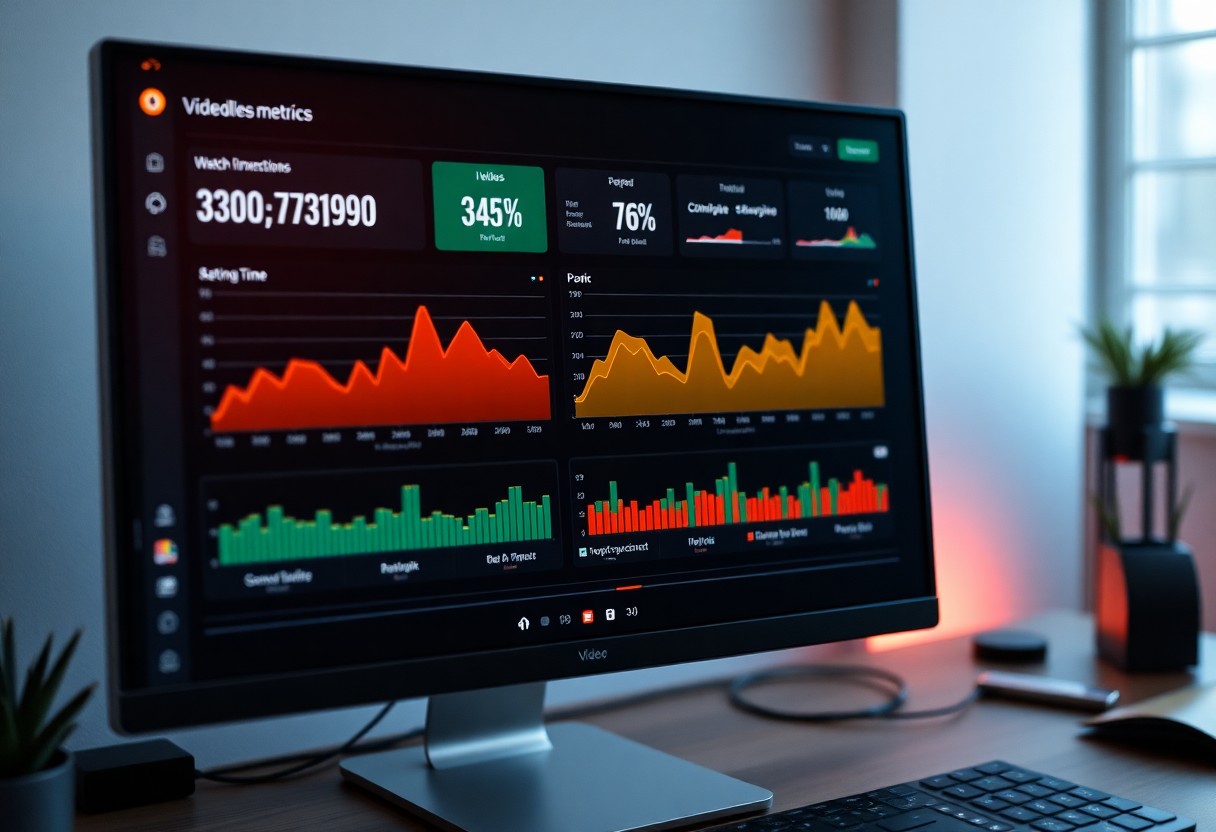
Metrics play a vital role in understanding the performance of your video content. By analysing watch time, retention, and engagement, you can gain insights into viewer behaviour and preferences. This information enables you to refine your strategies, ensuring that your videos resonate with your audience. Delving into these metrics will equip you with the knowledge necessary to enhance your content and drive greater results.

Key Takeaways:
- Watch time measures the total minutes viewers spend watching a video, influencing its visibility in search results and recommendations.
- Retention rate indicates the percentage of viewers who continue watching a video over time, highlighting content effectiveness and viewer interest.
- Engagement includes likes, comments, and shares, reflecting viewer interaction and helping to gauge the overall appeal and impact of the content.
Understanding Watch Time
Watch time is a critical metric for assessing how effectively your videos engage viewers. It indicates not just how long people stay to view your content but also impacts its ranking in platforms like YouTube. A higher watch time can lead to better visibility, as algorithms favour videos that keep viewers watching longer.
Definition and Importance
Watch time refers to the total aggregated minutes that viewers spend watching your videos. It’s important because it directly influences a video’s performance on platforms, affecting recommendations and search rankings. Strong watch time signals valuable and engaging content, prompting algorithms to promote your videos to a wider audience.
Factors Influencing Watch Time
Multiple factors can affect watch time, including video length, content quality, and audience relatability. Engaging thumbnails and compelling titles can draw in viewers, while a well-structured narrative keeps them engaged throughout. Additionally, posting schedule and viewer demographics play a role in attracting and retaining an audience.
- Video length is significant—longer videos may lead to higher watch time if they maintain viewer interest.
- Content quality must captivate your target audience—poor-quality videos will drive viewers away.
- Compelling thumbnails and titles can significantly increase initial viewership.
- Your posting schedule affects how consistently audiences come back for more.
- After you gather data on viewer preferences, you can tailor content strategies accordingly.
Delving deeper into these factors, content quality stands out as perhaps the most influential element. If your video quickly loses viewers due to repetitive or irrelevant content, your overall watch time suffers. Addressing viewer feedback can enhance engagement, as can diversifying content styles. This refinement often translates to longer viewing sessions and improved audience retention.
- Viewer engagement can be boosted through interactive elements such as polls or calls to action within your videos.
- Consistent branding helps viewers develop a connection with your content which can encourage longer views.
- Targeted marketing strategies can attract the right audience that is likely to watch until the end.
- Utilising analytics tools will provide insights on viewer behaviour, enabling you to craft more effective content.
- After implementing these strategies, monitor changes in your watch time to gauge success.
Analyzing Viewer Retention
Understanding viewer retention is important for optimising your video content. Retention refers to the percentage of video watched by viewers, indicating how effectively your content keeps their attention. By interpreting this metric, you can identify specific points where viewers drop off and tailor your strategy accordingly. For detailed insights, check out The 6 Most Important Video Metrics You Should Track.
What is Viewer Retention?
Viewer retention is a key performance indicator that measures the duration of time viewers engage with your video content relative to its total length. High retention rates reflect your video’s ability to hold attention, while significant drop-off points can highlight areas needing improvement. This metric informs you how well you’re meeting viewer expectations and engaging your audience throughout the entirety of the video.
Strategies to Improve Retention
To enhance viewer retention, focus on creating compelling beginning segments that hook your audience. Incorporating storytelling techniques, asking open-ended questions, and providing valuable insights can keep viewers engaged. Additionally, employing visuals and dynamic editing can maintain interest throughout your video, increasing the likelihood of viewer completion.
Another effective strategy is to analyse audience engagement data and refine your content based on feedback. For instance, consider including interactive elements like polls or CTAs (Calls to Action) to encourage participation. Break longer videos into manageable segments, ensuring each delivers value to sustain attention. Regularly updating content based on trends and viewer preferences also plays a significant role in retention, allowing you to stay relevant and engaging in an ever-evolving digital landscape.
Measuring Engagement
To gauge how well your audience connects with your videos, measuring engagement is necessary. This involves examining how viewers interact with your content through likes, shares, comments, and subscriptions. High engagement indicates a strong connection, suggesting that your content resonates with viewers, while low engagement might highlight areas that require improvement or a reevaluation of your strategy.
Engagement Metrics Explained
Engagement metrics serve as indicators of viewer interaction with your content. Key metrics include likes, shares, comments, and the number of subscribers gained or lost after a video is published. By tracking these figures, you can assess audience sentiment and interest levels, helping you tailor future content to better meet viewer expectations and preferences.
Impact of Engagement on Video Success
Your video’s success is significantly influenced by viewer engagement. A higher engagement rate can lead to better visibility on platforms like YouTube, where videos with more likes and comments are favoured by algorithms, resulting in increased reach. This snowball effect means that engaged viewers are more likely to share your content, drawing in new audiences and establishing a stronger community around your brand.
For example, videos with an engagement rate exceeding 5% have been shown to perform 20% better in terms of reach and shares compared to those with lower rates. This correlation highlights the profound impact that audience interaction has on your channel’s growth. Brands that actively encourage engagement, such as asking questions or prompting discussions in the comments, typically see a surge in viewer loyalty and retention. Therefore, fostering an engaging environment can be a game changer for your video strategy.
Tools for Tracking Video Metrics
Utilising the right tools is necessary for effectively tracking video metrics. There are numerous platforms available that streamline this process, providing insights into your video performance. For insights on how to get started, visit Video Metrics 101: Everything You Need to Understand …. These tools allow you to analyse your watch time, audience retention, and engagement rates, ensuring you’re equipped to fine-tune your content strategy.
Overview of Popular Analytics Tools
Several analytics tools stand out when tracking video metrics. YouTube Analytics offers comprehensive data on your audience’s behaviour, while platforms like Vimeo and Wistia provide detailed insights tailored to professional content creators. Google Analytics can also be leveraged to track user interaction on your site, integrating video data with overall website performance for a complete picture.
How to Interpret Data
Interpreting data effectively is key to enhancing your video strategy. Start by focusing on watch time and retention rates; these metrics indicate how well your content holds viewers’ attention. An increase in engagement often correlates with higher viewer satisfaction. Look for trends over time and consider comparing metrics across different videos to identify what resonates with your audience.
Deep stepping into your data can reveal invaluable insights. Assess where viewers drop off in your videos; this helps in pinpointing section edits or content optimisations. If certain topics drive more engagement, consider creating follow-up materials or related content. Keep your audience demographics in mind, as tailored content can significantly uplift metrics. Regular analysis will lead to improved decision-making, optimising future video performance. Aim to adjust your content strategy based on these insights to continually refine your approach and enhance viewer satisfaction.
Best Practices for Optimising Metrics
To achieve better video metrics, prioritise viewer engagement and analysis. Incorporate a clear narrative structure and appeal to emotions; this can significantly boost watch time. Consistency in your content schedule keeps your audience returning, while inviting feedback helps you fine-tune your offerings. Utilising A/B testing with different thumbnails or titles can also provide insight into what resonates most with your audience.
Content Strategies for Better Metrics
Create content that is both valuable and shareable. Aim for entertaining yet informative material that encourages viewers to stay longer. Use engaging visuals, a compelling hook in the first few seconds, and consider leveraging popular trends to capture attention. Tailoring your content to your specific target audience ensures higher retention rates and fosters deeper viewer connections.
Adjusting Based on Data Insights
Data insights enable you to adapt your strategy effectively. By analysing metrics such as viewer drop-off points and engagement rates, you can identify what works and what doesn’t. Implementing changes based on these insights, whether it’s altering video length or format, can lead to significant improvements in overall performance.
Deciding how to adjust your content based on data insights should involve a thorough analysis of viewer behaviour. For example, if analytics show that viewers consistently leave at a particular segment, consider refining that section for clarity or engagement. Experimenting with different formats, such as varying lengths, adding graphics, or changing the narrative style, can also provide valuable feedback. Monitoring the effects of these adjustments across several videos allows you to track which strategies resonate best, ultimately leading to an enhanced viewing experience and better metrics.
Case Studies
To illustrate the impact of video metrics on success, examining real-world case studies reveals valuable insights. Key examples demonstrate varying strategies across different sectors, showcasing how tailored approaches can significantly influence watch time, retention, and engagement rates.
- Company A: Increased watch time by 30% through storytelling techniques, achieving a 50% boost in subscriber growth within three months.
- Brand B: Utilised strategic call-to-actions, resulting in a 25% higher engagement rate compared to previous campaigns.
- Channel C: Implemented A/B testing on thumbnails, leading to a 40% increase in click-through rates and an overall retention increase of 15%.
- Organisation D: Focused on viewer feedback, adapting content that improved average view duration by 20% over six months.
Successful Video Campaigns
Successful video campaigns have harnessed metrics to inform content strategies and unprecedented engagement levels. For instance, Brand X tailored its messaging based on viewer analytics, resulting in a record-breaking 1 million views in just one week.
Lessons Learned from Analytics
Analytics provide critical insights that refine your approach and enhance video performance. Understanding what resonates with your audience can drive content evolution, leading to better outcomes.
The analysis of viewer behaviour often uncovers key trends regarding content preferences and engagement triggers, allowing you to optimise future videos. For instance, noticing a drop-off at specific points can guide you to tweak narrative pacing or include more engaging visuals. Moreover, adjusting your content strategy based on audience demographics can ensure that your messaging aligns more closely with viewer interests, ultimately maximising retention and watch times across subsequent campaigns.


