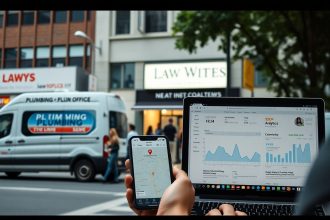
Locations play a significant role in your business’s visibility online, particularly when managing multiple sites. Effective multi-location SEO strategies ensure that each of your locations appears in local search results, attracting customers to your services. By optimising your online presence for each geographical area, you can increase your reach and relevance, ultimately driving foot traffic and conversions. This guide will explore imperative tactics to enhance your multi-location SEO efforts and help you maximise the potential of your diverse business locations.
Key Takeaways:
- Consistent NAP (Name, Address, Phone) information across all listings is vital for local SEO success.
- Optimising Google My Business profiles for each location enhances visibility and engagement.
- Tailoring content to reflect local relevance improves search rankings and attracts targeted traffic.
Understanding Multi-Location SEO
In today’s digital landscape, mastering multi-location SEO is vital for businesses operating in multiple regions. It involves optimising your online presence across various locations, ensuring that each site reflects relevant local search queries. This trend is driven by consumers increasingly seeking services close to them, making it vital to adapt your SEO strategy to cater to different markets effectively.
What is Multi-Location SEO?
Multi-location SEO focuses on enhancing your visibility in search engines for multiple geographic locations. This entails creating specific optimisation strategies tailored to each business location, encompassing local keywords, relevant content, and location-specific landing pages. You harness these techniques to capture local traffic and appeal to customers searching for your services in their vicinity.
Importance of Multi-Location SEO for Businesses
Effective multi-location SEO boosts your search rankings, driving targeted traffic to each of your business locations. With 46% of all Google searches seeking local information, you must ensure your business appears prominently in local search results. Tailoring your approach to multiple locations helps nurture customer relationships and build brand credibility, key factors in increasing footfall and conversions.
Implementing robust multi-location SEO ensures your brand stands out in competitive markets. For instance, retailers with localised content see an increase in store visits by up to 80%. By optimising for regional searches, you not only enhance visibility but also create a personalised shopping experience that resonates with local customers. This focused strategy can lead to significant increases in both online and offline sales, making it vital for businesses to adapt quickly and effectively to local demands and trends.
Local SEO Strategies for Multiple Locations
To effectively manage multiple business locations, implementing targeted local SEO strategies is vital. Each location requires a tailored approach to attract local customers and improve search engine rankings. By focusing on unique elements such as local keywords, Google My Business profiles, and location-specific content, you can enhance visibility and drive more traffic to each outlet. Utilising these strategies will ensure that your business stands out in competitive local markets.
Google My Business Optimisation
Optimising your Google My Business (GMB) listings is fundamental for enhancing local search visibility. Ensure each location has its own GMB profile, complete with accurate information such as address, phone number, and hours of operation. Encourage reviews from local customers, as these will improve your rankings and provide social proof. Regularly update posts and photos to engage users and maintain relevance in search results.
Location-Specific Landing Pages
Creating location-specific landing pages is a powerful strategy for catering to local audiences. Each page should contain unique content relevant to the specific area, including local keywords, nearby landmarks, and tailored promotions. This targeted approach helps search engines understand the geographical focus of your business and improves user experience, ultimately leading to higher engagement and conversions.
When developing location-specific landing pages, ensure they are not merely duplicates of one another, which can negatively affect your SEO. Each page should provide unique insights into the services or products available at that location. Include local testimonials and case studies to build trust with visitors. Incorporating maps, directions, and local guides can also enhance usability, making it easier for potential customers to connect with your business. By investing in these custom pages, you enhance your local relevance and increase your chances of ranking higher in search results for each specific area.

Managing Business Listings
Accurate business listings are necessary for successful multi-location SEO. Ensure your company is listed on all relevant directories, including Google My Business, Yelp, and Bing Places. Discrepancies in your details can confuse potential customers and negatively impact your search rankings. For more insights, consult Multi-Location SEO Explained + 8 Proven Local SEO Tactics.
Consistency Across Directories
Uniformity in your business details across various online directories is vital. Inconsistencies can lead to customer confusion and result in a loss of trust. Ensure that your name, address, and phone number (NAP) are identical on every platform and reflect the same branding style.
Monitoring and Responding to Reviews
Engaging with reviews is a key part of managing your online reputation. Regularly monitor reviews across all platforms, as they can impact customer perception and influence local search rankings. Responding promptly and professionally to both positive and negative feedback shows you value customer opinions.
Active monitoring of reviews provides insights into customer satisfaction and areas for improvement. A study by BrightLocal revealed that 86% of consumers read reviews for local businesses, indicating their significant role in decision-making. Respond to reviews not only to address concerns but also to showcase your commitment to customer service. A thoughtful response can convert a dissatisfied customer into a loyal one, ultimately enhancing your brand’s reputation and visibility.
Local Keywords and Content Strategy
Your local SEO success hinges on an effective keyword and content strategy tailored for each location. Begin by integrating location-specific keywords into your website’s content and metadata, ensuring search engines recognise the relevance of your business in those areas. Engaging local content not only drives traffic but also builds trust within your community. For further insights, explore this resource on Managing Local SEO for Multi-Location Businesses.
Keyword Research for Multiple Locations
<pConducting keyword research for your various locations involves identifying terms that your target audience is searching for in each area. Utilise tools like Google Keyword Planner to discover localised keywords that reflect the distinct preferences and behaviours of your customers in those regions. This ensures your content remains relevant and valuable to each specific market.
Creating Location-Based Content
Developing content that speaks directly to each location is crucial to engage your audience effectively. Tailor your blog posts, service pages, and social media updates to reflect local interests, events, and news. This localisation will not only enhance your SEO but also position your business as an integral part of each community.
In-depth location-based content should incorporate local landmarks, culture, and customer stories to resonate more with your audience. Consider creating guides or blogs that highlight events or activities in those areas, showcasing your involvement and expertise. For instance, if your business operates in multiple cities, mention unique offerings or promotions tied to local festivals or seasonal activities. This approach builds community ties and encourages local engagement, fostering loyalty and driving foot traffic to your locations.

Tracking Performance
Effective tracking of your multi-location SEO performance is necessary for measuring the success of your strategies. By analysing data from various locations, you can determine which areas benefit most from your efforts, refining your approach to enhance visibility and engagement across all locations.
Analytics Tools for Multi-Location SEO
Utilising analytics tools specifically designed for multi-location management can streamline your performance tracking. Platforms like Google Analytics, Moz, and SEMrush provide insights into traffic sources, conversion rates, and local search performance, enabling you to tailor your marketing strategies effectively for each location.
Understanding Local Search Metrics
Grasping local search metrics enhances your ability to evaluate the effectiveness of your SEO efforts. Key metrics include local rankings, click-through rates, and engagement levels, all of which offer valuable insights into how well your business performs within specific geographic areas.
Local search metrics are indicative of how well your business is resonating with consumers in each location. For instance, tracking local rankings will reveal how your site appears in search results compared to competitors, while click-through rates highlight the success of your listings in attracting potential customers. Engagement metrics, such as time spent on site and pages visited, further inform you about user behaviour and interests. Monitoring these metrics regularly allows you to adjust your strategies quickly, ensuring that you remain competitive and relevant in diverse markets.
Summing up
Conclusively, managing multi-location SEO effectively enhances your visibility and strengthens your brand across various regions. By optimising local listings, ensuring consistent NAP information, and gathering location-specific content, you can significantly improve your search rankings. Additionally, leveraging local backlinks and engaging with community-oriented marketing will foster stronger connections with your target audience. Embracing these strategies ensures that your business stands out in a competitive landscape, driving more foot traffic and online interactions for each of your locations.