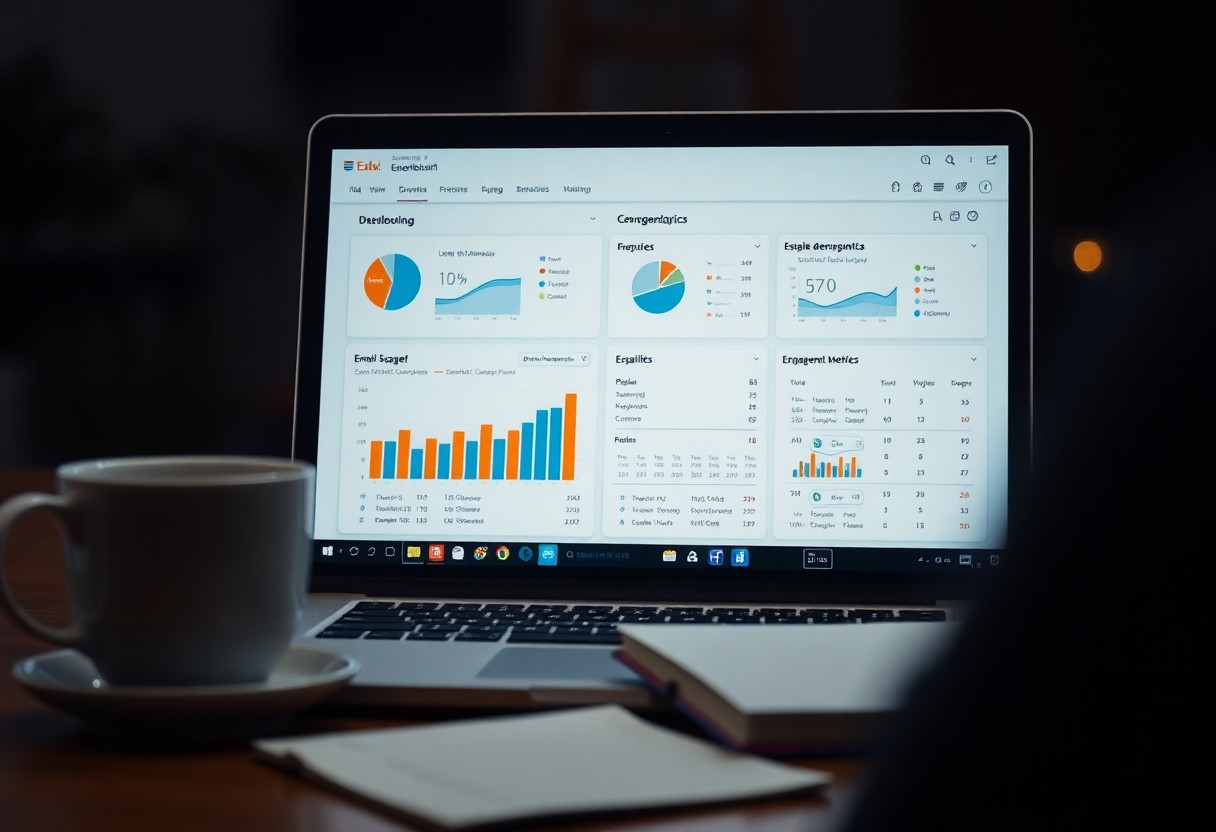
Over time, understanding the value of email segmentation can transform your marketing efforts. By categorising your subscribers based on behaviour, preferences, and demographics, you can tailor your campaigns to resonate more deeply with each group. This targeted approach not only boosts engagement but also enhances your overall conversion rates. In this guide, you will learn effective strategies to segment your email list, ensuring your messages are relevant and impactful.

Key Takeaways:
- Identify key characteristics of your audience, such as demographics, behaviours, and preferences.
- Utilise engagement metrics to segment based on user activity, like open rates and click-through rates.
- Regularly update and refine segments to adapt to changes in customer behaviour and preferences.
Understanding the Importance of Email Segmentation
Email segmentation is vital for enhancing the effectiveness of your marketing efforts. By dividing your email list into specific groups based on demographics, behaviours, or preferences, you tailor messages that resonate with each segment. This targeted approach not only improves engagement rates but also fosters a stronger connection with your audience, ultimately driving conversions and customer loyalty.
Benefits of Segmented Campaigns
Segmented campaigns significantly enhance open and click-through rates compared to non-segmented ones. By sending tailored content, you’re more likely to meet the unique interests of your subscribers, leading to improved user experience and higher conversion rates. For instance, targeted promotions can effectively increase sales by addressing specific customer needs.
Key Factors for Effective Segmentation
Effective segmentation hinges on understanding your audience. After identifying key data points such as purchase history, location, and engagement levels, you can create groups that reflect distinct characteristics and behaviours. Regularly updating and refining these segments ensures your campaigns remain relevant. Assure that you stay attuned to changes in consumer preferences and market trends.
- Monitor subscriber engagement to adjust segments accordingly.
- Utilise demographic data to tailor your messaging.
- Incorporate behavioural data to further refine your audience groups.
- Assume that constant testing will help identify the most profitable segments.
By focusing on key data points, you can achieve more precise segmentation. Using insights from past campaigns allows you to identify emerging trends. Pay attention to factors such as customer feedback, interaction frequencies, and seasonal behaviours. Regularly evaluating these aspects aids in maintaining an up-to-date understanding of your segments. Assure that you harness this data to optimise future engagements.
- Utilise analytics tools to track performance metrics.
- Solicit feedback directly from your audience to enhance your data.
- Regularly analyse user behaviour to adjust your strategy.
- Assume that maintaining flexibility in your approach will enhance long-term effectiveness.
Analyzing Your Audience
Delving into your audience’s characteristics sets the foundation for effective segmentation. Pay attention to data regarding demographics, behaviours, and past interactions with your emails. This insight allows you to tailor your campaigns based on actual engagement patterns, increasing relevance and conversion potential.
Gathering Data on Subscribers
Collecting data on your subscribers starts with understanding where they come from and what they seek. Use sign-up forms to gather imperative information, such as age, gender, location, and interests. Analysing engagement metrics from previous campaigns offers further clarity, allowing you to identify trends and preferences that will inform your segmentation strategy.
Creating Customer Personas
Creating customer personas elevates your segmentation process by giving you a detailed picture of your ideal audience members. Each persona should encapsulate demographics, motivations, pain points, and preferred communication channels. Use insights derived from surveys, interviews, and your existing data to craft these personas, ensuring they are reflective of your actual customer base.
Developing detailed customer personas can enhance your email marketing efforts significantly. For example, suppose one persona is a busy professional aged 30-45 who values time-saving solutions. In that case, crafting emails that emphasise efficiency and quick results allows you to cater directly to their needs. Combining qualitative insights with quantitative data, such as purchase history and web behaviour, will lead to more tailored messaging that resonates deeply with each persona, driving engagement and fostering loyalty.
Segmentation Criteria
Effective email segmentation relies on various criteria to ensure your campaigns resonate with your audience. These criteria can range from demographic factors and interests to behavioural patterns and purchase history. By understanding these key attributes, you can create targeted campaigns that cater specifically to the preferences and needs of different subscriber groups.
Demographic Segmentation
Demographic segmentation involves dividing your audience based on characteristics such as age, gender, location, and income. This information allows you to tailor your email content to match the specific interests and needs of different demographic groups. For example, offering promotions for luxury products might appeal more to higher-income individuals, while discounts on entry-level items could attract younger consumers just starting their careers.
Behavioral Segmentation
Behavioural segmentation focuses on the interactions your subscribers have with your brand, including their purchase history, website activity, and engagement levels. By analysing how users behave, you can identify patterns that inform your marketing strategy. For instance, targeting customers who have consistently opened your emails but never purchased can help you design campaigns that convert engagement into sales.
Utilising behavioural segmentation allows for more tailored messaging, ensuring recipients receive content that reflects their previous interactions. For example, if a subscriber frequently clicks on product tutorials, you might send them emails showcasing new features or exclusive webinars. Likewise, tracking cart abandonment can prompt reminders about abandoned items, incentivising customers to complete their purchases. This approach not only boosts engagement but also fosters stronger relationships with your audience. This data-driven method results in higher conversion rates and customer satisfaction, making behavioural insights invaluable for your email marketing strategy.
Tools and Techniques for Segmentation
Utilising the right tools and techniques for segmentation can significantly enhance your email marketing efforts. To research deeper into the concept, refer to What is Email Segmentation? Strategies & Tips. By leveraging these resources, you can fine-tune your approach and achieve better engagement from your audience.
Email Marketing Platforms
Most email marketing platforms, such as Mailchimp and HubSpot, offer built-in segmentation features that allow you to group subscribers based on various criteria. These platforms typically provide templates and easy-to-use interfaces that enable you to create targeted campaigns quickly. By harnessing the power of these tools, you can effectively tailor your messages to meet the specific needs of different subscriber groups.
Automation and Analytics Tools
Automation and analytics tools play a vital role in refining your segmentation efforts. By automating specific actions based on user behaviour, such as sending welcome emails or follow-ups, you can ensure timely communication that aligns with your audience’s interests. Analytics tools provide insights into subscriber engagement patterns, helping you adjust your segmentation strategy for better results.
Using tools like Google Analytics or Kissmetrics, you can gain a comprehensive understanding of how your audience interacts with your emails. This data allows you to identify trends, such as click-through rates and unsubscribe patterns, enabling you to adapt your segmentation criteria accordingly. Consequently, you can create more targeted campaigns that resonate with each subgroup on your list, driving higher conversion rates and improving overall campaign performance.
Crafting Personalized Campaigns
Creating personalised campaigns involves tailoring your messaging to meet the specific needs of different segments. This not only boosts engagement but also enhances conversion rates. Utilising insights from Email segmentation: Guide + 13 strategies can provide strategies for developing content that resonates. By addressing your audience’s unique pain points, preferences, and behaviours, you can ensure that your communications feel relevant and fully engaging.
Tailoring Content for Different Segments
When you tailor content for different segments, you significantly increase the likelihood of engagement. Consider creating targeted messages that speak directly to specific demographics, interests, or purchasing behaviours. For instance, a sports apparel brand could send tailored newsletters featuring workout gear to fitness enthusiasts while promoting lifestyle clothing to casual consumers.
Timing and Frequency of Campaigns
Timing and frequency play a pivotal role in your email marketing effectiveness. Sending messages at optimal times, based on when your audience is most receptive, can lead to higher open and click-through rates. Use analytics to determine the best times to connect, and consider testing various schedules to find the perfect balance of engagement without overwhelming your subscribers.
Adjusting the timing and frequency of your campaigns helps you align better with your audience’s habits. For example, if analysis reveals that your subscribers engage more during weekends, schedule your campaigns accordingly. Furthermore, set a consistent frequency to avoid overwhelming your audience; a bi-weekly newsletter or targeted monthly offers can work well. Experimentation will guide you toward establishing an optimal rhythm that enhances engagement without causing subscriber fatigue.

Testing and Optimizing Segments
Once you have your segments established, testing and optimising them is vital to ensure you’re delivering tailored content that engages your audience. Regularly analyse how different segments respond to your campaigns and make adjustments. This iterative approach allows you to refine your segmentation strategies based on real-time data and ultimately enhances your email marketing effectiveness.
A/B Testing Strategies
A/B testing allows you to compare two or more variations of your email campaigns to determine which performs better within your segments. You can test different subject lines, content formats, or calls to action. For instance, if sending a promotional email, you might try one version with a discount offer and another highlighting free shipping. The insights gleaned from these tests inform future campaigns, improving overall performance.
Analyzing Campaign Performance
To optimise segments effectively, you must deeply analyse how your campaigns perform. Key metrics to consider include open rates, click-through rates, and conversion rates for each segment. Segment-specific trends will emerge, indicating what resonates most with your audience, which aids in shaping future content and strategies for greater engagement.
Diving into your campaign performance analysis may reveal intriguing insights. For example, you might find that your younger audience responds better to visually engaging content, while older segments prefer informative text-based emails. Tracking these nuances is imperative for success, as it allows you to tailor your messaging to meet individual segment preferences, ensuring your campaigns stay relevant and effective. Use this data to pivot your approach, shifting focus to the strategies that yield the best results, thereby maximising the impact of your campaigns.
Summing up
Considering all points, effective segmentation of your email list allows you to tailor your campaigns to specific groups within your audience, enhancing engagement and conversions. By analysing demographics, behaviour, and preferences, you can create targeted content that resonates with your subscribers. Ensure you continuously refine your segments based on campaign performance and audience feedback to maximise relevance. Ultimately, personalised email campaigns not only foster stronger connections but also drive better results for your business.
FAQ
Q: Why is it important to segment my email list?
A: Segmenting your email list allows for targeted messaging, which can lead to higher engagement rates and improved conversion. It ensures that subscribers receive content relevant to their interests and needs.
Q: What methods can I use to segment my email list?
A: You can segment your email list based on various criteria such as demographics, purchase history, engagement levels, or customer behaviour. Additional methods include using surveys or tracking website interactions.
Q: How often should I update my segments?
A: It’s advisable to review and update your segments regularly, ideally every few months or whenever there are significant changes in your audience’s behaviour or preferences. This ensures that your campaigns remain relevant and effective.
Q: Can I use segmentation for automated email campaigns?
A: Yes, segmentation is particularly effective for automated email campaigns. By tailoring content to segmented groups, you can create a more personalised experience that resonates with each audience segment.
Q: What tools can assist in segmenting my email list?
A: Many email marketing platforms offer built-in segmentation tools. Popular options include Mailchimp, HubSpot, and Constant Contact, all of which provide features to help you define and manage your segments effectively.