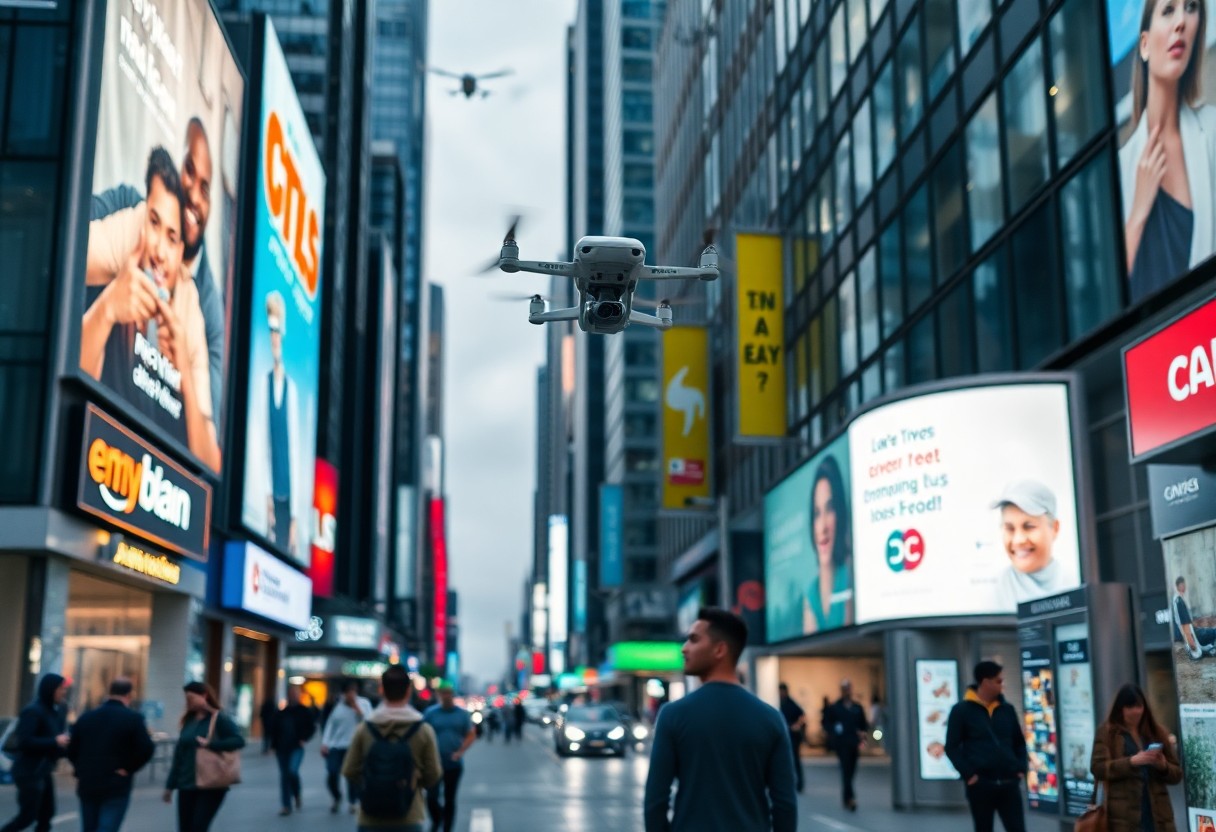
Marketing is evolving at an unprecedented pace, and as you look towards 2025, it’s crucial to stay informed about the trends shaping the digital landscape. From the rise of artificial intelligence to the increasing importance of personalised experiences, you will need to adapt your strategies to remain competitive. This post will highlight key developments to help you navigate the future of digital marketing and enhance your approach for your audience.
Key Takeaways:
- Increased integration of artificial intelligence and machine learning for personalised marketing strategies.
- Rise of voice search and smart assistants affecting SEO and content creation approaches.
- Growing importance of data privacy and ethical marketing practices influencing consumer trust and brand loyalty.
The Rise of Artificial Intelligence in Digital Marketing
Artificial Intelligence (AI) is transforming digital marketing, streamlining processes and enhancing decision-making. By 2025, you’ll witness a profound integration of AI in areas such as targeting, content creation, and predictive analytics. The focus will increasingly shift to personalising customer experiences, helping brands to engage users more effectively and improve conversions significantly. With AI’s ability to analyse vast amounts of data, you can expect marketing strategies to become more data-driven and results-oriented.
AI-Powered Analytics
AI-powered analytics is reshaping how you interpret data and make strategic decisions. Algorithms analyse customer behaviour and trends, allowing you to uncover insights that drive better-targeted campaigns. As a result, you can optimise your marketing efforts, ensuring that every campaign is underpinned by actionable data, which significantly enhances ROI.
Chatbots and Customer Engagement
Chatbots are rapidly becoming important tools for customer engagement, providing real-time assistance and personalised experiences. By 2025, their use will expand beyond basic queries to offering sophisticated support tailored to individual customer needs. This shift not only enhances user satisfaction but also frees your team to focus on more complex tasks.
With advancements in natural language processing and machine learning, chatbots are evolving into more intuitive digital assistants. They can now engage customers with personalised recommendations based on previous interactions and preferences. Brands employing AI-driven chatbots have reported a 30% increase in customer satisfaction scores and a significant reduction in response time, demonstrating that timely and relevant interactions are key to consumer loyalty and retention. As you integrate these tools, you’ll find that they not only improve efficiency but also create deeper connections with your audience.
The Impact of Augmented and Virtual Reality
Augmented Reality (AR) and Virtual Reality (VR) are set to reshape how you engage with your customers, offering immersive experiences that elevate brand interactions. In 2025, these technologies will enable customers to visualise products in their own environment, allowing a more informed purchasing decision. Brands like IKEA are already implementing AR for virtual furniture placement, enhancing customer connection and loyalty through engaging, interactive experiences.
Enhancing Customer Experience
Utilising AR and VR can significantly enhance your customer experience by creating personalised and memorable interactions. By incorporating these technologies, you allow customers to engage with your products in a unique manner, leading to increased satisfaction and retention. Brands that offer these experiences often see a reduction in return rates and higher conversion figures, proving that immersive technology creates an avenue for deeper connections.
Innovative Advertising Strategies
Innovative advertising strategies leveraging AR and VR are transforming how you connect with your audience. These technologies allow for interactive advertisements that engage consumers on a deeper level, such as virtual try-ons or 360-degree product views. This level of engagement not only captures attention but also leads to greater brand recall and customer loyalty, making your advertising efforts more effective.
Your brand can benefit significantly from innovative advertising strategies that incorporate AR and VR. For instance, a fashion retailer can utilise AR to let users ‘try on’ outfits digitally via their smartphones, fostering a personalised shopping experience. This technique not only increases user interaction but also motivates them to share their experiences on social media, effectively amplifying your reach. Additionally, VR experiences at events or showrooms allow potential customers to ‘step inside’ your brand narrative, creating a memorable and emotionally resonant engagement that traditional ads simply cannot achieve.

Voice Search Optimization
As voice search continues to gain traction, optimising your content for this mode of query is imperative. In 2025, it’s predicted that 50% of all searches will be voice-based, necessitating a shift in how you structure your online presence. You should focus on natural language and conversational phrases to cater to the way users speak, rather than simply relying on traditional keyword strategies.
The Shift in Consumer Behavior
Consumers are increasingly using voice-activated devices such as smart speakers and smartphones to conduct searches, leading to a more conversational approach to queries. This trend signals a shift in the way you need to understand your audience’s intent, as phrases tend to be longer and more natural compared to traditional typing. Adapting to this new consumer behaviour is vital for capturing the growing segment of voice search users.
Best Practices for Marketers
To effectively optimise for voice search, consider using schema markup to enhance search visibility and ensure that your content directly answers common queries. Employ a conversational tone in your writing, and focus on long-tail keywords that align with how people speak. Additionally, creating FAQs or topic-specific content can serve to provide immediate, relevant answers for voice searches.
Implementing these best practices involves adapting your SEO strategies and content development to align with voice search dynamics. For instance, include snippets that directly answer potential questions, as these are more likely to be featured in voice search results. Monitoring analytics will also help you understand which phrases are driving traffic, allowing you to refine your approach continuously and ensure your content remains relevant in a shifting digital landscape.

Personalization and Data Privacy
As digital marketing evolves, the demand for personalised experiences intensifies, compelling brands to tailor content to individual preferences while navigating the complexities of data privacy. Striking the right balance is necessary for maintaining customer trust and engagement. To explore Digital Marketing Trends to Watch in 2025, you need to understand how these two elements intersect in your strategy.
Balancing Personalization with Privacy Concerns
You must ensure that your personalised marketing strategies respect user privacy without sacrificing engagement. Implementing transparent data collection practices cultivates trust, allowing you to curate experiences tailored to customers’ preferences while empowering them to control their information. By prioritising ethical data usage, you enhance brand loyalty and foster a positive relationship with your audience.
Trends in Consumer Consent
In today’s landscape, obtaining consumer consent is evolving. With increasing scrutiny on how brands collect and utilise personal data, consumers now expect clear, affirmative consent processes. This trend not only complies with stricter regulations but also reflects a shift towards empowering customers. You should consider adopting multi-layered consent techniques that allow users to opt into specific data uses, enhancing transparency and trust in your brand.
Recent initiatives highlight the importance of informed consent, with studies revealing that 78% of consumers prefer brands that offer explicit data usage explanations. You can implement interactive consent forms that detail how and why their data will be used. By adopting these practices, businesses not only comply with regulations like GDPR but also build a solid foundation of trust with users, encouraging ongoing engagement and loyalty.
Social Media Evolution
As digital landscapes shift, social media is set to evolve significantly by 2025. You’ll observe new formats and functionalities emerging, shaped by user preferences and technological advancements. Engaging with your audience on platforms like TikTok or Instagram will require innovative strategies that embrace short-lived content and interactive features. To understand these transformations further, check out What are the Digital Marketing Trends for 2025?.
New Platforms to Watch
By 2025, anticipate the rise of niche social media platforms catering to specific interests and demographics. This diversification means you’ll have the opportunity to target highly engaged audiences who resonate with your brand’s values. Platforms focusing on community over volume will gain traction, reshaping how you connect with users.
The Role of Influencer Marketing
Influencer marketing continues to be a dominating force, with 70% of teenagers trusting influencers more than traditional celebrities. In 2025, you must leverage micro and nano influencers who offer authentic engagement with their audiences. These personalised connections can drive brand loyalty and conversions more effectively than broad-based campaigns.
Building authentic relationships with influencers who align with your brand ethos will be paramount. Their followers often perceive them as relatable and trustworthy, leading to higher engagement rates. Collaborating with these influencers allows you to tap into dedicated communities, using storytelling to convey your message. The focus should shift from sheer follower numbers to engagement metrics, ensuring your campaigns resonate deeply and foster meaningful connections with potential customers.
Sustainability and Ethical Marketing Practices
As consumers become increasingly environmentally conscious, brands that prioritise sustainability and ethical marketing practices will resonate far more effectively. By 2025, transparency in sourcing, production, and distribution will be key factors influencing purchasing decisions. You must consider integrating sustainable materials and ethical labour practices into your marketing strategy, as these approaches not only enhance your brand reputation but also foster customer loyalty.
Consumer Expectations in 2025
In 2025, you will find that consumers expect brands to take a stand on social and environmental issues. This shift means that ethical practices are no longer optional; they are crucial. Your audience will demand accountability, requiring you to provide clear information about your sustainability efforts and how they directly contribute to societal change.
Implementing Sustainable Strategies
To effectively implement sustainable strategies, you need to adopt a holistic approach that integrates sustainability into every aspect of your business operations. From sourcing eco-friendly materials to employing energy-efficient practices, you can create a comprehensive framework that aligns with ethical marketing principles. Building partnerships with green organisations can also enhance your credibility and amplify your impact.
Investing in sustainable strategies involves a thorough assessment of your current practices and identifying areas for improvement. For instance, consider adopting renewable energy sources in your operations or optimising your supply chain to reduce carbon footprints. Engaging your team in sustainability initiatives fosters a culture of environmental responsibility. Furthermore, leveraging technology, such as analytics and AI, can streamline sustainable practices, helping you make data-driven decisions that resonate with your eco-conscious audience while ensuring operational efficiency.
Final Words
Presently, as you look ahead to 2025, it’s imperative to stay informed about emerging trends in digital marketing that can impact your strategies. Embrace the shift towards personalised content, the growing significance of voice search, and the integration of artificial intelligence to enhance customer engagement. By adapting to these advancements, you can ensure your marketing efforts remain relevant and effective, ultimately fostering stronger connections with your audience and driving growth in a competitive landscape.
FAQ
Q: What are the key digital marketing trends anticipated in 2025?
A: Key trends include the rise of artificial intelligence in marketing strategies, increased personalisation through data analytics, the growing importance of video content, enhanced use of voice search optimisation, and a greater focus on sustainability in brand messaging.
Q: How will artificial intelligence impact digital marketing by 2025?
A: By 2025, artificial intelligence will enable marketers to automate campaigns, optimise customer service through chatbots, and provide deeper insights into consumer behaviour, allowing for more tailored marketing efforts.
Q: What role will personalisation play in digital marketing strategies in 2025?
A: Personalisation will become increasingly vital, with brands using sophisticated algorithms to deliver customised content and recommendations based on individual consumer data and preferences, leading to higher engagement and conversion rates.
Q: How is video content expected to evolve in digital marketing by 2025?
A: Video content will dominate digital marketing, with more interactive and shoppable videos emerging. Live streaming and augmented reality will also enhance user interaction and engagement with brands.
Q: What trends in sustainability should marketers focus on in 2025?
A: Marketers will need to prioritise sustainability by promoting eco-friendly practices, transparent supply chains, and corporate social responsibility. Consumers will increasingly expect brands to align with environmental and ethical values.