You have the power to transform your website’s landing pages into conversion machines by mastering vital design and copy techniques. This guide will equip you with best practices that enhance user experience, foster engagement, and maximise your conversion rates. By applying these proven strategies, you’ll create landing pages that effectively communicate your value proposition and resonate with your audience, ultimately leading to increased customer action and business growth.
Key Takeaways:
- Utilise a clear and compelling headline that communicates the value proposition immediately.
- Incorporate visual elements that complement the text and guide the user’s attention towards the desired action.
- Keep the copy concise and focused, employing persuasive language that addresses the user’s needs and concerns.
Understanding Landing Pages
Landing pages serve as dedicated web pages designed with a single focus, often to drive visitors toward a specific action, such as signing up for a newsletter or purchasing a product. They are distinct from typical web pages as they remove distractions, directing your audience towards a clear conversion goal.
Definition and Purpose
A landing page is a standalone web page that is created specifically for marketing or advertising campaigns. Its main purpose is to convert visitors into leads or customers by providing targeted content and a compelling call to action that aligns with your marketing objectives.
Key Components of a Landing Page
Effective landing pages incorporate several key components including a persuasive headline, clear and concise copy, engaging visuals, and a strong call to action. Each element plays a vital role in guiding the visitor toward conversion while ensuring a seamless user experience.
Beyond the foundational components, consider the layout and design of your landing page. For instance, A/B testing different headlines can reveal what resonates best with your audience. Incorporating testimonials or social proof can significantly enhance credibility and encourage conversions. Ensure that forms are streamlined; fields should be minimal to avoid deterring potential leads. Position your call to action prominently, ideally above the fold, so it captures attention immediately. Together, these aspects not only boost the likelihood of achieving your conversion goals but also enhance the overall effectiveness of your marketing efforts.
Design Best Practices
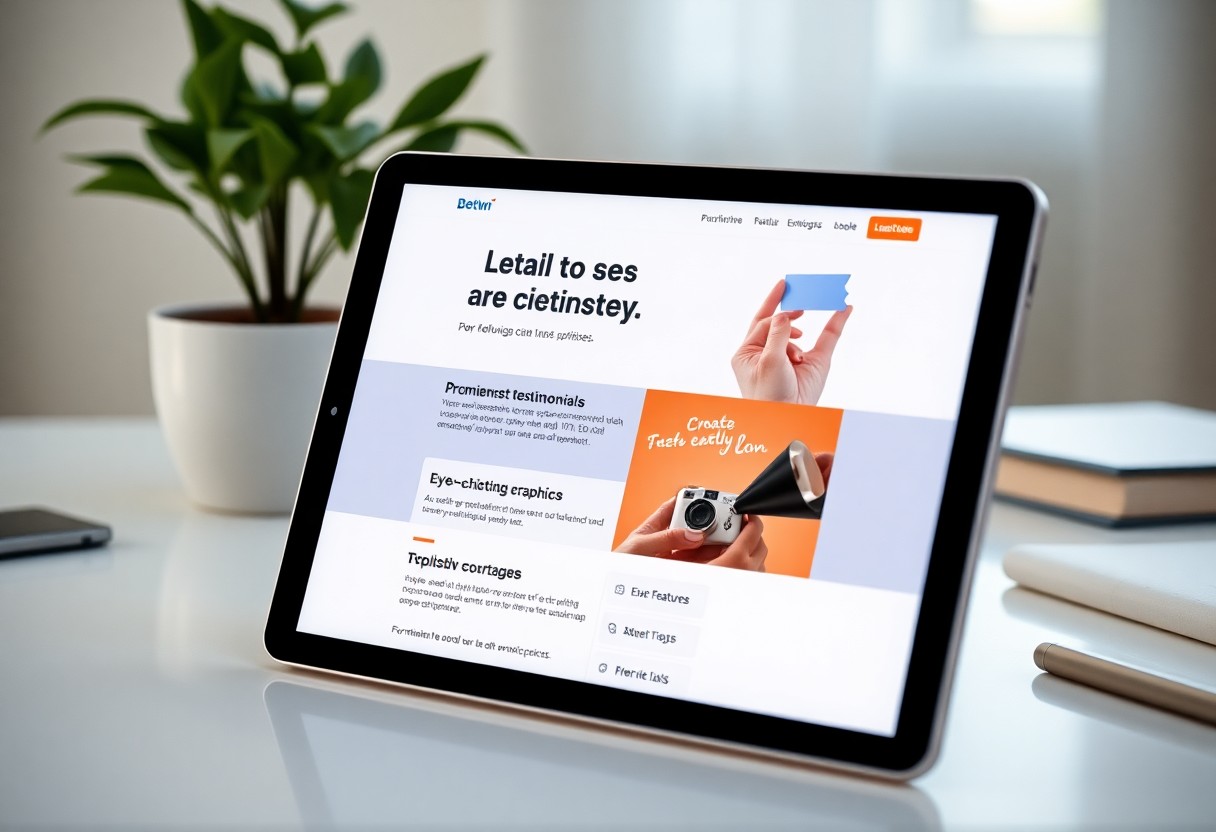
Your landing page design directly influences user engagement and conversion rates. Prioritising aesthetics alongside functionality is vital; a well-designed page not only attracts attention but also guides visitors toward taking action. Consider the use of whitespace, intuitive navigation, and a responsive design that adapts seamlessly to various devices. Your aim should always be to create an inviting environment that encourages exploration while clearly communicating your message.
Layout and Visual Hierarchy
The layout of your landing page shapes the way visitors interact with your content. Establish a clear visual hierarchy by placing the most important information at the top. Use headings, subheadings, and bullet points to break up text and guide the reader’s eye toward CTAs. This approach maximises comprehension and directs user behaviour effectively.
Color Schemes and Typography
Your choice of colour schemes and typography significantly impacts user perception and emotional response. Stick to a limited colour palette that aligns with your brand identity, using contrasting colours for calls-to-action to enhance visibility. Opt for legible fonts; a combination of a bold typeface for headings and a clean sans-serif font for body text can create an attractive reading experience.
When identifying typography, aim for a balance between aesthetics and readability. Studies indicate that users can read 30% faster with well-chosen fonts, so selecting sizes and weights that stand out without being overbearing is necessary. Use colours that evoke the desired emotions; for example, blue often conveys trust, while red can instigate urgency. A consistent colour scheme paired with effective typography reinforces your brand’s message and makes it memorable for your audience. Aim for synergy between these elements, ensuring they work together to draw attention to key points and encourage user interaction.
Crafting Compelling Copy
Your copy needs to resonate with visitors, clearly communicate value, and guide them towards taking action. Focus on concise, benefit-driven messages that capture attention and maintain interest. Using storytelling elements can enhance engagement, while ensuring you address pain points and solutions effectively. For practical insights, explore High-Converting Landing Page Template: Steal My Design.
Writing Effective Headlines
<p Headlines are your first impression; they must grab attention and compel readers to explore further. Use action-oriented language and highlight the benefits of your offering. Aim for clarity and urgency, making it clear what value awaits the reader and why they shouldn't miss out.
Importance of Call-to-Action
<p A strong call-to-action (CTA) is integral for driving conversions. It provides clear instructions on what you want your audience to do next, such as signing up, downloading, or purchasing. A well-crafted CTA not only guides the user but also reinforces the value proposition you've presented in your copy.
<p Effective CTAs leverage urgency and specificity, which can significantly impact conversion rates. Phrases like “Get Your Free Ebook Now” or “Join Our Community Today” convey both a prompt and a reward, motivating the visitor to act immediately. Testing different styles and placements of CTAs can help you discover what resonates best with your audience, leading to improved engagement and higher conversion rates.
User Experience Considerations
Prioritising user experience is important in crafting an effective landing page. You need to create an intuitive layout that guides your visitors seamlessly from entry to conversion. Elements such as clear navigation, engaging visuals, and concise messaging play integral roles. Simple yet impactful design choices, such as contrasting colours for call-to-action buttons, can transform user interaction and boost conversion rates.
Mobile Optimization
With more users accessing websites via mobile devices, optimising your landing page for mobile is non-negotiable. Ensure responsive design that adjusts seamlessly to different screen sizes, enhancing readability and usability. You might consider larger buttons for easier tapping and simplified content to cater to users on the go.
Page Load Speed
Fast loading times significantly influence user retention. Studies show that a one-second delay in page load time can decrease conversions by up to 20%. To enhance performance, optimise images, eliminate unnecessary scripts, and leverage caching. This attention to speed can set your landing page apart from competitors.
Utilising tools like Google PageSpeed Insights can help identify specific enhancements needed for your landing page. Reducing the overall file size of images and employing techniques such as lazy loading can dramatically improve speed. Remember that your target audience is likely to abandon a page that takes too long to load, so every millisecond counts. Investing in performance optimisation not only improves user experience but also contributes to better SEO and higher overall conversion rates.
A/B Testing and Analytics
The effectiveness of your landing page largely hinges on A/B testing and thorough analytics. By comparing two versions of a page, you can identify which elements resonate more with your audience, allowing you to make data-driven decisions. Tools like Google Optimize or Optimizely can facilitate your testing, enabling you to analyse visitor behaviour and preferences effectively. The insights gained can elevate your conversion rates significantly, ensuring your design and copy continually align with what works best for your users.
Importance of Testing Variants
Testing variants is fundamental to refining your landing page. It allows you to assess different headlines, calls to action, and even layout designs, providing direct feedback on what appeals most to your visitors. For example, a study by HubSpot revealed that A/B testing increased conversion rates by up to 300% among those who utilised it properly, showcasing the substantial impact you can achieve.
Measuring Success Metrics
Success metrics encompass various key performance indicators (KPIs) that determine the effectiveness of your landing page. Focusing on conversions, bounce rates, and time spent on the page provides insight into how effectively your content engages users. Analysing these metrics enables you to pinpoint areas requiring improvement, tailoring your approach for better results.
Key metrics include conversion rates, which measure the percentage of visitors completing desired actions, and bounce rates that indicate the proportion leaving the page without interaction. For instance, if your landing page has a bounce rate exceeding 70%, it signals disconnect with your audience or ineffective messaging. Tools like Google Analytics allow you to track these metrics over time, helping you adjust your strategies based on quantifiable data, ultimately enhancing user experience and driving higher conversions.
Common Mistakes to Avoid
Avoiding common pitfalls can significantly enhance your landing page’s effectiveness. Many fall into the trap of cramming too much information into limited space, leading to confusion and disengagement. For more in-depth insights, check How to Master Landing Page Best Practices.
Overloading with Information
It’s easy to think that providing extensive details can sway potential customers, but this often backfires. A cluttered page filled with dense text can overwhelm visitors. Instead, focus on delivering clear and concise information that highlights your value proposition.
Ignoring Target Audience Needs
Understanding your audience is paramount. Failing to tailor your content to their preferences and pain points can lead to missed conversions. Researching your target demographic and their behaviours will allow you to craft messages that resonate more deeply.
Recognising your audience’s needs extends beyond demographics; it involves addressing their specific problems and desires. For instance, if your target audience includes busy professionals, emphasise time-saving benefits in your copy. Utilising customer personas can assist in honing these insights, allowing you to speak directly to their motivations and ensuring your landing page serves their interests effectively.
Summing up
Drawing together the best practices for landing page design and copy, you should focus on creating a clear, compelling message that directly addresses your audience’s needs. Utilise engaging visuals and succinct text to guide visitors toward your call to action. Ensure your page is optimised for both desktop and mobile devices, providing a seamless user experience. By implementing these strategies, you enhance your chances of converting visitors into customers.