Many content creators struggle to stay relevant amidst rapidly changing trends. By implementing an effective content calendar, you can plan ahead and ensure that your content resonates with your audience while staying timely. This guide will equip you with the strategies to develop a calendar that not only maps out your ideas but also positions you as a thought leader in your niche.
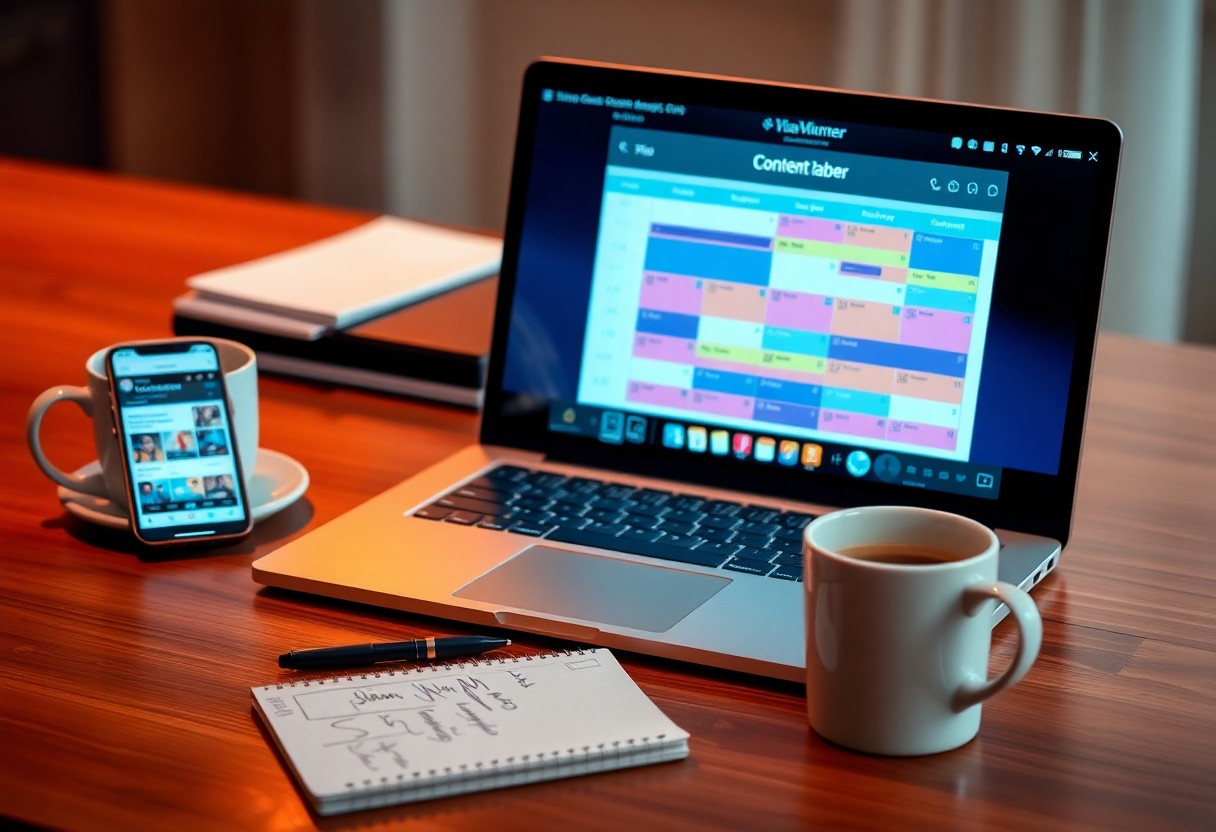
Key Takeaways:
- Define your goals and target audience to tailor content effectively.
- Incorporate trend analysis to adapt content strategies in real-time.
- Utilise scheduling tools to maintain consistency and streamline planning.
Understanding Content Calendars
A content calendar serves as a strategic tool that allows you to plan, organise, and schedule your content in advance, ensuring consistency and alignment with your objectives. By mapping out your content, you can better anticipate market trends, enhance audience engagement, and maintain a steady flow of fresh ideas. This approach not only streamlines your content creation process but also enables you to respond swiftly to emerging topics, keeping your brand relevant and insightful.
Definition and Importance
A content calendar is a visual schedule that outlines what content you will publish, when, and on which platforms. Its importance lies in its ability to streamline your workflow, reduce last-minute pressure, and enhance collaboration among team members. With a well-structured calendar, you can strategically target your audience, capitalise on trending topics, and measure content performance effectively.
Key Factors to Consider
When developing your content calendar, several key factors enhance its effectiveness. Focus on audience preferences, seasonal trends, content types, and platform algorithms. Additionally, consider your goals and resource availability, which shape your content strategy.
- Target audience demographics
- Content formats and types
- Seasonal peaks and events
- Platform engagement tactics
- Resource allocation and constraints
By evaluating these factors, you ensure your content is not only relevant but also resonates with your audience. Keeping track of analytics and engagement can further refine your approach.
- Content performance metrics
- Feedback and engagement rates
- Publication frequency
- Competitive analysis
- Emerging trends and insights
Recognising the influence of these elements allows you to adapt your calendar, ensuring it remains a dynamic tool that evolves with your content strategies and audience needs.
How to Begin Creating Your Content Calendar
Start by defining a structured approach to your content calendar. Identify the key elements that will drive your planning process, such as important dates, recurring themes, and product launch schedules. This will create a foundational framework from which you can build a comprehensive plan that aligns with your marketing efforts and audience engagement strategies.
Setting Clear Objectives
Establish specific goals for your content to align your efforts with overall business aims. These could range from increasing brand awareness to driving conversions or enhancing audience engagement. Your objectives should be measurable, enabling you to track progress and refine your strategy as needed to ensure continued relevance and effectiveness.
Assessing Your Audience and Trends
Understanding your audience and emerging trends is important for creating relevant content. Analyse audience insights, including demographics and behaviours, alongside industry shifts to tailor your content effectively. Tools like social media analytics and Google Trends can provide valuable data to inform your content direction.
Diving deeper into audience assessment involves segmenting your audience based on various factors such as interests, purchasing behaviour, and online engagement. Utilise surveys or polls to gather direct feedback, ensuring your content resonates with their preferences. Additionally, keeping a close eye on competitor activities and broader market trends will help you identify opportunities to stand out. By staying well-informed, you can create content that not only meets your audience’s needs but also anticipates future interests, allowing you to maintain a competitive edge.
Tips for Structuring Your Content Calendar
Structuring your content calendar effectively can help streamline your content strategy and keep your business agile. Here are some valuable tips to enhance its organisation:
- Define clear objectives for each piece of content.
- Establish a consistent posting frequency.
- Incorporate different content types to engage diverse audiences.
- Monitor performance metrics to adjust your strategy.
Assume that by following these tips, you’ll maintain a fluid content pipeline that can adapt to emerging trends.
Choosing the Right Format
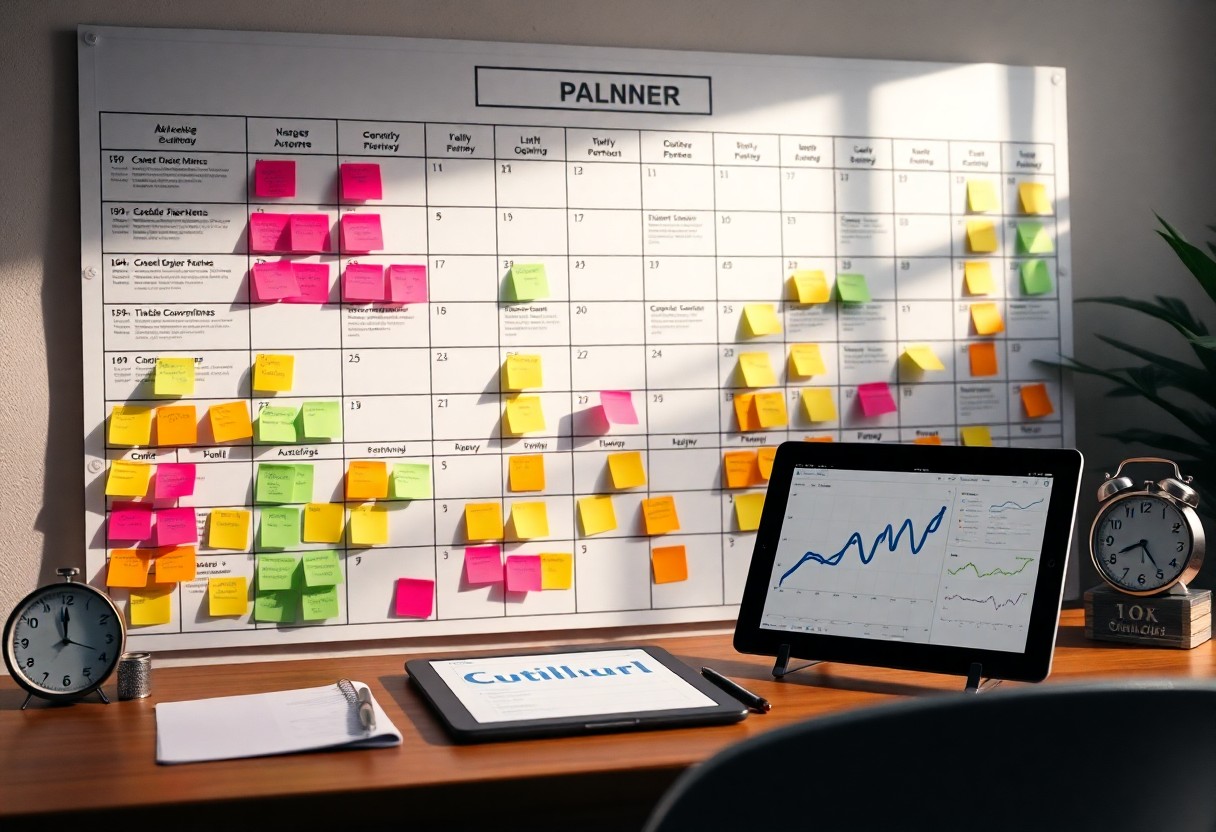
Selecting an appropriate format for your content calendar is crucial. You can opt for digital tools like Google Sheets or project management software such as Trello, which allow for easy collaboration and updates. Alternatively, a simple wall calendar can work for those who prefer a visual layout. Tailor the format to your team’s needs to ensure seamless usage.
Incorporating Key Dates and Events
Integrating relevant key dates and events into your content calendar can boost engagement and increase visibility. This includes holidays, industry events, and product launches that resonate with your audience.
For example, if you run an e-commerce store selling eco-friendly products, align your content around Earth Day or Global Recycling Day. This adds relevance and can drive higher traffic as customers seek related content. Create alerts for these dates so you plan timely content that capitalises on audience interest and maximises your reach during significant events.
Keeping Your Calendar Flexible
Flexibility is vital in a content calendar, allowing you to adapt quickly as new opportunities arise. By incorporating buffer weeks or periodic review sessions into your schedule, you prepare yourself to shift topics, formats, or even priorities without derailing your entire content strategy. This adaptability ensures your content remains fresh and relevant to your audience’s evolving interests and behaviours.
Adapting to New Trends
Staying ahead of trends requires a proactive approach to alter your calendar as new information surfaces. By monitoring industry news, social media conversations, and analytics, you position yourself to modify your content themes or angles, ensuring your audience receives timely and engaging material. When a trend emerges, evaluate its relevance to your brand and adjust your planned topics accordingly.
Regularly Updating Your Content
Periodically revisiting and refreshing your existing content can significantly enhance its effectiveness. By evaluating performance metrics and audience feedback, you can uncover areas that require updates, whether by adding new information, optimising for SEO, or repurposing into different formats like videos or infographics. Regular updates not only maintain engagement but also demonstrate your commitment to delivering value, allowing your content to outperform competitors in search engine rankings and user satisfaction.
Tools and Resources for Managing Your Content Calendar
Effective management of your content calendar demands the right tools and resources. Numerous platforms cater to your scheduling needs, making it easier to stay organised and ahead of trends. For comprehensive insights on creating a content calendar, refer to How to Create a Content Calendar.
Recommended Software and Apps
Tools like Trello, Asana, and Google Calendar enhance your planning efficiency. These platforms offer templates specifically designed for content calendars, enabling you to track deadlines, assign tasks, and maintain an overview of your upcoming posts all in one place.
Utilising Collaborative Platforms
To enhance your content creation process, utilise collaborative platforms such as Slack or Microsoft Teams. These tools facilitate real-time communication and file sharing among team members, ensuring everyone is aligned with the content calendar. You can create dedicated channels for different projects, keeping discussions organised and focused. By integrating tools like Google Docs, you can draft and edit collaboratively, streamlining the workflow and eliminating back-and-forth emails.
Best Practices for Maintaining Consistency
Consistency in content creation directly impacts your audience’s engagement and loyalty. To achieve this, establish a reliable posting schedule and adhere to it. Ensure each piece of content reflects your brand’s voice and style. You can also explore Effective Seasonal Content Planning for Solopreneurs in … to enhance your strategy.
Scheduling Regular Reviews
Regular reviews of your content calendar allow you to adapt to evolving trends and audience preferences. Set specific intervals, such as monthly or quarterly, to evaluate the performance of your content. Adjust plans based on analytics to ensure continued relevance and engagement.
Engaging with Your Audience
Engaging with your audience strengthens your content’s impact. Actively seek feedback through polls, comments, or direct messages to understand their preferences better. Tailor your content to reflect this input, which creates a more personalised experience and fosters loyalty.
Effective engagement involves more than just responding to comments; it includes initiating discussions and actively participating in conversations across social media platforms. By leading discussions related to your niche, you can position yourself as an authority while also building rapport with your audience, resulting in higher engagement rates and deeper connections.
Summing up
Taking this into account, a well-structured content calendar empowers you to stay ahead of trends by fostering strategic planning and timely execution. By regularly evaluating current events, audience interests, and performance metrics, you can adapt your content to maintain relevance and engagement. Incorporate flexibility to respond to emerging trends, ensuring your calendar remains a living document that drives your brand’s narrative forward. Ultimately, this proactive approach will enhance your content strategy and establish you as a thought leader in your industry.
FAQ
Q: What is a content calendar?
A: A content calendar is a tool that helps you plan, organise, and schedule your content across various platforms. It allows you to visualise your content strategy over time, ensuring that your messaging stays consistent and timely.
Q: How can I identify trends to include in my content calendar?
A: To identify trends, monitor social media platforms, follow industry news, and utilise tools such as Google Trends. Engaging with your audience and analysing their behaviours can also provide insights into emerging topics and interests.
Q: How often should I update my content calendar?
A: Updating your content calendar should be an ongoing process. Regularly review and adjust it based on performance metrics, feedback, and any emerging trends. Aim for a monthly review, with smaller adjustments made weekly if necessary.
Q: What elements should I include in my content calendar?
A: A comprehensive content calendar should include the content title, type (e.g., blog post, social media update), publication date, relevant themes or trends, target audience, and distribution channels. It can also benefit from tracking performance metrics post-publication.
Q: How do I ensure my content calendar aligns with my marketing goals?
A: To align your content calendar with marketing goals, start by clearly defining those goals. Then, ensure every piece of content serves a purpose, addresses a target audience, and contributes to achieving those goals. Regular evaluations will help maintain this alignment.


