
Impact your business by understanding the synergy between traditional and digital marketing strategies. You can leverage the strengths of both approaches to engage your audience more effectively and enhance brand visibility. By integrating classic methods with modern techniques, you gain a comprehensive toolkit that resonates with diverse consumer preferences. This blog post will guide you through key strategies to maximise your marketing efforts and achieve your business goals.
There’s a powerful synergy between traditional and digital marketing that can enhance your brand’s outreach and engagement. By combining the familiarity of traditional channels, such as print and television, with the dynamic and interactive nature of digital platforms, you can create a more comprehensive marketing strategy. Understanding how to fuse these approaches effectively will not only expand your audience but also strengthen your overall messaging. This blog post will guide you through the best practices for integrating these two realms for optimal results.
Key Takeaways:
- Integrating traditional and digital marketing strategies can enhance audience reach and engagement.
- Utilising metrics from digital campaigns can inform and refine traditional marketing efforts.
- Creative synergy between both approaches often leads to more impactful and memorable brand messaging.
Key Takeaways:
- Integrating traditional and digital marketing amplifies brand visibility and customer engagement.
- Leveraging data analytics from digital platforms enhances targeting and personalisation in traditional marketing efforts.
- Consistent messaging across both channels strengthens brand identity and customer loyalty.

Understanding Traditional Marketing
Traditional marketing encompasses familiar strategies that have been effective for decades, including print advertising, television commercials, radio spots, and direct mail campaigns. These methods focus on reaching a broad audience through established media channels, making them valuable for brand recognition and trust. Despite the rise of digital marketing, traditional channels still hold relevance and can complement your overall strategy, particularly in targeting local demographics or older consumers who may not engage as actively with digital platforms.
Key Elements of Traditional Marketing
The key elements of traditional marketing include print media, broadcasting, outdoor advertising, and direct mail. Print media, such as newspapers and magazines, allows for targeted local reach. Broadcast media exploits both television and radio to deliver messages to large audiences efficiently. Outdoor advertisements, like billboards, capture attention with high visibility, while direct mail provides a personalised touch, enabling you to reach consumers directly in their homes. Each of these elements plays a unique role in attracting and retaining customers.
Benefits and Limitations
While traditional marketing has numerous advantages, such as high credibility and tangible presence, it also has limitations, including higher costs and less targeted reach compared to digital methods. You can benefit from broader exposure and established consumer trust, but may struggle with tracking campaign performance and adapting quickly to market changes. These factors should inform your decision-making as you blend strategies to maximise impact.
For instance, traditional marketing can effectively build brand awareness, as consumers often perceive print and broadcast media as more trustworthy than online advertisements. However, it is constrained by its ability to measure real-time engagement; metrics like click-through rates and conversion rates are more easily tracked in digital marketing. Balancing the strengths of traditional marketing with its limitations helps you create a comprehensive approach that leverages the immediacy of digital platforms while maintaining the trust and familiarity that traditional methods offer.
Understanding Traditional Marketing
Traditional marketing encompasses time-tested methods to promote products and services, including print advertising, television, radio, and direct mail. This outreach is characterised by its broad reach, aiming to engage audiences in familiar ways. While it may be perceived as less innovative compared to digital strategies, traditional marketing remains an crucial component of a comprehensive marketing plan, especially for local businesses targeting specific demographics.
Definition and Key Components
Traditional marketing refers to conventional strategies employed to reach consumers without digital mediums, primarily utilising physical channels. Key components include television commercials, radio spots, newspapers, magazines, billboards, and direct mail campaigns. Each of these tools is designed to create brand awareness and generate leads through tangible, real-world interactions.
Advantages and Limitations
While traditional marketing provides a reliable means of brand visibility, it also comes with limitations. Advantages include widespread reach and established trust among audiences, often lending credibility to campaigns. However, the limitations lie in its higher costs, less precise targeting compared to digital methods, and the difficulty in measuring immediate results.
The advantages of traditional marketing, such as broad exposure and time-honoured credibility, often make it appealing for certain demographics, particularly older audiences who may engage less with digital platforms. For instance, radio and TV adverts can capture the attention of commuters, while print advertisements may resonate with those who prefer offline reading. Yet, the drawbacks cannot be overlooked; these methods typically demand a larger budget with uncertain ROI, making it challenging for small businesses to justify the expense. Furthermore, measuring campaign success can be tedious and imprecise, quite unlike the instant analytics available through digital channels. Balancing these factors is critical for devising effective marketing strategies.
Exploring Digital Marketing
In today’s landscape, digital marketing represents a dynamic shift away from traditional techniques. You can reach globally dispersed audiences through various online channels such as social media, SEO, email marketing, and paid advertising. Embracing this approach allows you to harness data analytics for a more tailored marketing strategy. Discover more insights about Blending Traditional and Digital Marketing to Drive Business to enhance your strategy.
Core Components of Digital Marketing
Key components of digital marketing include search engine optimisation (SEO), content marketing, social media engagement, email campaigns, and pay-per-click advertising. By mastering these elements, you enhance your online visibility and interaction with customers. Each component works collaboratively, allowing you to create a cohesive brand experience that resonates across platforms.
Advantages and Challenges
Digital marketing offers advantages such as real-time analytics, cost-effectiveness, and the ability to target specific audiences. However, it also presents challenges like rapidly changing algorithms and cyber threats. Balancing these elements is necessary for maximising your marketing efforts.
Analysing the advantages and challenges of digital marketing reveals its intricate nature. You benefit from immediate feedback and measurable results, enabling agile adjustments to your campaigns. In contrast, the fast-paced digital environment can overwhelm, necessitating ongoing education and adaptation to new technologies and trends. Understanding these dynamics helps you navigate the digital landscape effectively, ensuring a fortified marketing approach.
Exploring Digital Marketing
In today’s landscape, embracing digital marketing is crucial for any business looking to thrive. The versatility of online platforms enables you to reach a broader audience while tailoring your message through various channels. If you’re interested in learning How to Combine Traditional and Digital Marketing, the following insights will guide your approach.
Overview of Digital Channels
Your digital marketing strategy can leverage numerous channels, including social media, email, search engines, and content marketing. Each platform provides unique opportunities for engagement and conversion. For instance, social media platforms like Instagram and Facebook enable interactive campaigns that foster real-time engagement, while email marketing offers a personal touch that aids customer retention.
Benefits and Challenges
While digital marketing presents immense benefits, including cost-effectiveness and measurable outcomes, it also comes with challenges like rapid technological changes and fierce competition. You must continually adapt your strategies to stay relevant and avoid being overshadowed by more agile competitors.
The benefits of digital marketing are significant; however, the challenges cannot be overlooked. Engaging your audience through targeted ads may yield high conversion rates, yet keeping up with algorithm changes can be daunting. For example, a 2020 report showed that 61% of marketers faced challenges in keeping content fresh and relevant. By balancing your approach and integrating traditional methods with digital tactics, you can navigate these hurdles successfully and maximise your marketing impact.

Integrating Traditional and Digital Approaches
Your ability to merge traditional and digital marketing strategies can yield a harmonious and impactful marketing approach. Employing methods like direct mail alongside social media can keep your messaging seamless and cohesive. By understanding your audience’s preferences across various platforms, you can ensure a consistent brand experience that drives engagement and conversion rates. This integration not only fosters loyalty but also broadens your reach in a rapidly changing landscape.
Strategies for Blending Both Worlds
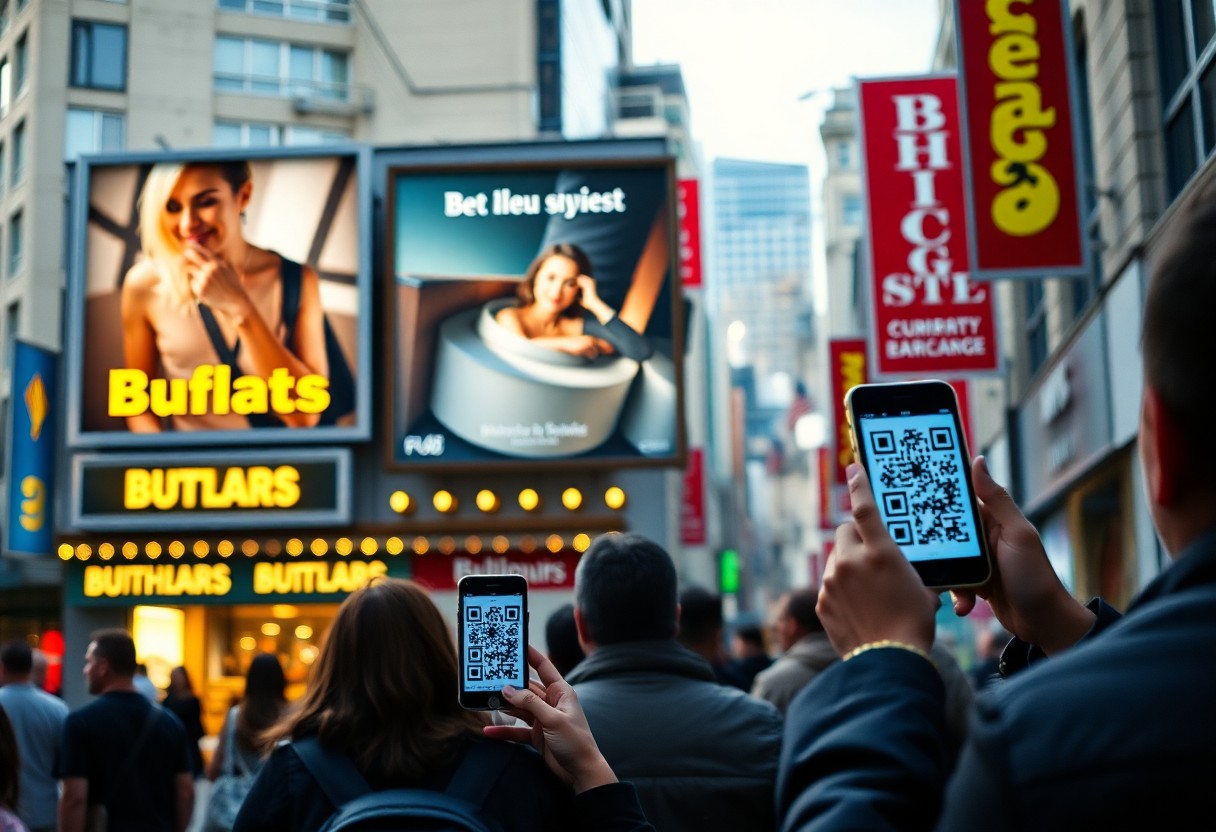
Combining traditional and digital marketing requires strategic planning. Start by leveraging data analytics from your digital campaigns to tailor your traditional messaging. Use QR codes on print advertisements to bridge the gap—encouraging offline audiences to engage online. Additionally, integrate storytelling that resonates across both mediums, ensuring your campaign feels unified, relevant, and compelling to your target demographic.
Case Studies of Successful Integration
Examples of companies successfully integrating both strategies illustrate the effectiveness of this approach. Take a look at the following case studies, highlighting various industries and the results achieved through their blended tactics:
- Company A increased sales by 30% after incorporating QR codes on print flyers, directing customers to a promotional video online.
- Brand B experienced a 150% rise in online engagement after aligning a radio campaign with a social media challenge, encouraging listeners to participate and share.
- Retailer C saw foot traffic double when combining direct mail campaigns with targeted online ads, offering personalised coupons for store visits.
- Business D launched a local event promoted through newspapers and followed with social media posts, leading to a 200% increase in event attendance.
These case studies exemplify how blending strategies not only enhances visibility but also drives measurable results. By combining various channels, you not only amplify your message but also create a dynamic marketing presence that resonates effectively with your audience, showcasing the potential benefits that come from a well-orchestrated approach.
- Company A: 30% sales increase with QR codes on print.
- Brand B: 150% online engagement rise with radio and social media alignment.
- Retailer C: 100% foot traffic increase with combined direct mail and online ads.
- Business D: 200% increase in event attendance through newspaper and social media promotion.
The Synergy Between Traditional and Digital Marketing
Integrating traditional and digital marketing fosters a comprehensive approach that maximises reach and effectiveness. By harnessing the strengths of both mediums, your marketing strategy becomes more dynamic, allowing you to engage audiences through multiple channels. This synergy not only enhances brand recognition but also creates a unified message that resonates with consumers across various platforms.
Complementary Strategies
To leverage the strengths of both traditional and digital marketing, you can employ complementary strategies that enhance your overall impact. For instance, using print advertisements to promote your social media channels encourages offline audiences to engage online. Likewise, email marketing can be complemented by direct mail campaigns, creating touchpoints that guide potential customers through the buying journey.
Case Studies of Successful Blending
Various companies have adeptly blended traditional and digital marketing to achieve remarkable results. Brands such as Coca-Cola and Nike demonstrate how a cohesive strategy can lead to substantial growth. Coca-Cola’s integrated campaigns saw a 23% increase in social media engagement, while Nike reported a 15% boost in sales through targeted online ads tied to traditional promotions.
- Coca-Cola: 23% increase in social media engagement through integrated campaigns.
- Nike: 15% increase in sales from targeted online ads linked to traditional marketing.
- McDonald’s: 30% uplift in customer footfall with a combination of TV ads and social media promotions.
- Heinz: 50% higher engagement on digital platforms after TV commercial endorsements.
- Old Spice: 125% increase in sales attributed to a viral social media campaign following traditional billboard efforts.
These case studies underscore the effectiveness of blending traditional and digital marketing strategies. By utilising traditional forms of advertising to drive online traffic, companies have successfully leveraged their existing brand equity while making a substantial impact on their target audiences. Each campaign highlights the importance of a strategic mix, transforming customer engagement and enhancing overall performance.
Measuring Impact and Effectiveness
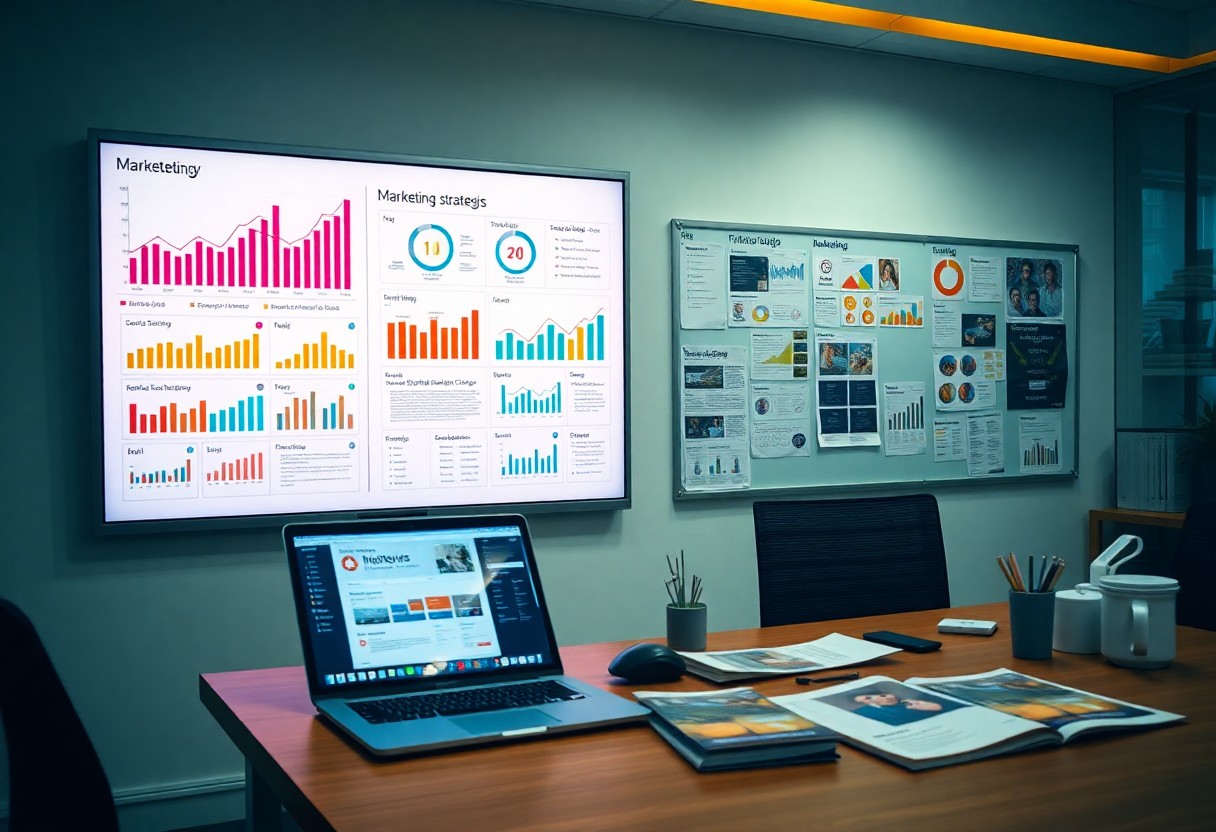
Evaluating the success of your marketing efforts is imperative for continuous improvement. This requires understanding the right metrics that reflect your objectives across both traditional and digital channels. By pairing quantitative data with qualitative insights, you can gain a comprehensive view of your marketing efficacy and adjust strategies accordingly.
Metrics for Traditional Marketing
For traditional marketing, metrics often revolve around reach and engagement levels. You can measure success through tools like surveys, sales figures, or tracking response rates from printed materials. For instance, evaluating the number of inquiries generated from a direct mail campaign provides insights into its impact, while attendance figures at events can reflect overall interest in your brand.
Metrics for Digital Marketing
Digital marketing metrics are predominantly data-driven, allowing for real-time analysis of performance. Key performance indicators (KPIs) such as website traffic, conversion rates, and social media engagement offer clear indicators of your campaign’s success, enabling you to adjust quickly. Utilising tools like Google Analytics, you can monitor, for example, the bounce rate and average session duration to assess user engagement and website efficiency.
Delving deeper into digital marketing metrics, conversion tracking serves as an invaluable method for evaluating user actions related to your campaigns. You can set specific goals within platforms like Google Analytics to determine how many visitors take desired actions, such as completing a purchase or signing up for a newsletter. For instance, if you launch a PPC campaign, analysing the cost per conversion will help you understand the return on investment (ROI), allowing for better budget allocation in future campaigns. In this digital age, leveraging these insights leads to more targeted strategies and enhanced market positioning.
Creating a Unified Marketing Strategy
Crafting a unified marketing strategy requires a cohesive approach that bridges the gap between traditional and digital methods. By streamlining your messaging and integrating tactics across platforms, you can create a seamless experience for your audience, enhancing engagement and effectiveness. For further insights, see Blending Traditional and Digital Marketing to Drive Business.
Setting Goals and Objectives
Establishing clear goals and objectives is fundamental to your unified strategy. Begin by identifying measurable outcomes that align with your overall business objectives. Whether it’s increasing brand awareness or boosting sales, set specific targets that can guide your integrated efforts, ensuring all channels work towards achieving these common aims.
Integrating Communication Channels
Effective integration of communication channels enhances your brand’s visibility and message consistency. By synchronising your traditional and digital marketing efforts, you ensure that your audience receives a unified message across all platforms, from social media to print advertising. This alignment fosters stronger brand recognition and improves customer engagement.
A well-integrated communication strategy not only reinforces your messaging but also leverages the strengths of each channel. For instance, a promotional campaign can begin with print flyers that direct recipients to your website, where further engagement can continue via social media interactions and email newsletters. This cohesive approach keeps your audience informed and involved, driving higher conversion rates and fostering loyalty. Regularly evaluate the performance across all channels to refine your strategy and ensure that your efforts remain aligned with customer preferences and behaviours.
Tools and Technologies for Integration
Effective integration of traditional and digital marketing demands the right tools and technologies. You should consider solutions that streamline communication between diverse marketing channels, like marketing automation platforms. These tools help synchronise your campaigns, ensuring consistent messaging across both digital and traditional mediums. Collaborative tools like CRM systems enhance customer relationship management by merging data from various sources, enabling targeted outreach. Embracing these technologies not only elevates your marketing strategy but also drives measurable results.
Platforms for Combined Campaigns
Utilising platforms that support combined campaigns enhances your ability to reach customers seamlessly. Integrated solutions like HubSpot or Mailchimp manage your email marketing while allowing social media posts and digital ads to sync effectively. You can create cohesive messaging across channels, amplifying your brand’s voice. Such platforms not only simplify the campaign management process but also foster better engagement through consistent customer touchpoints.
Tracking and Analytics Solutions
Adopting robust tracking and analytics solutions enables you to measure the success of both traditional and digital marketing efforts. Using tools like Google Analytics or Adobe Analytics, you can gain insights into customer behaviour, engagement, and conversion rates. This data informs your strategy, allowing you to adapt your efforts based on what resonated with your audience.
In-depth tracking and analytics solutions are necessary for understanding the impact of your marketing initiatives. By employing technologies like UTM parameters or pixel tracking, you can discern which traditional campaigns drive traffic to your digital platforms. For instance, if a print ad leads to increased web visits or online purchases, this information helps you optimise your marketing spend and efforts. Regularly analysing this data will provide clarity on customer pathways, allowing you to fine-tune campaigns for maximum effectiveness and ROI.
Measuring Success and Impact
To harness the full potential of blended marketing strategies, understanding how to measure success and impact is necessary. Tracking performance across both traditional and digital channels allows you to refine your approach, ensuring resources are allocated effectively. By assessing various metrics, you can identify which strategies yield the highest return on investment, ultimately driving growth and engagement.
Key Performance Indicators (KPIs)
Your choice of Key Performance Indicators (KPIs) will significantly influence how you gauge success. These indicators could range from website traffic and conversion rates to customer acquisition costs and retention rates. By aligning KPIs with your specific marketing goals, you can create a more holistic picture of your performance across both traditional and digital platforms.
Tools and Techniques for Analysis
Utilising a variety of tools and techniques for analysis enables you to aggregate and interpret your data more effectively. Platforms like Google Analytics, social media insights, and customer relationship management (CRM) systems provide actionable insights that are vital for understanding customer behaviour and campaign performance.
For a deeper exploration of analysis tools, consider the power of combining platforms like Google Analytics with social media analytics to create a comprehensive view of user engagement. Tools such as HubSpot and SEMrush also facilitate in-depth tracking of both online campaigns and traditional marketing efforts, allowing for nuanced reporting. You can leverage these systems to segment your audience, analyse trends, and adapt strategies in real time. This multi-faceted approach ensures you harness data effectively for continuous improvement across your marketing efforts.
Future Trends in Hybrid Marketing
As hybrid marketing evolves, businesses must stay ahead of the curve by embracing innovative techniques that seamlessly integrate online and offline strategies. You should focus on data-driven marketing, leveraging analytics to tailor campaigns that resonate with your target audience. Advancements in artificial intelligence and machine learning will further enhance personalisation, allowing you to deliver highly relevant content and experiences. Additionally, as sustainability increasingly influences consumer behaviour, incorporating eco-friendly practices will resonate well with your audience.
Emerging Strategies
New strategies are emerging that blend traditional and digital marketing formats effectively. Omnichannel marketing, which delivers consistent messaging across multiple platforms, is becoming crucial. You might explore interactive content, such as augmented reality experiences, which can bridge the gap between physical and digital interactions. Social commerce also offers a significant opportunity, allowing you to sell products directly through social media channels while engaging your audience.
The Evolving Consumer Landscape
Today’s consumers are more connected and discerning than ever. You are not just looking for products; you seek authentic experiences and meaningful interactions. This shift has created a demand for brands that understand your preferences and values. Consequently, personalisation in marketing is no longer optional—it’s expected. Brands that recognise this will gain a competitive edge by using data to cater directly to your needs, enhancing loyalty and engagement.
The evolving consumer landscape reflects a shift towards prioritising convenience and immediate gratification, with 79% of consumers indicating they are more likely to choose brands that offer personalised experiences. You value efficiency and expect seamless transitions between digital and physical platforms, prompting businesses to create highly responsive and integrated marketing strategies. Moreover, younger generations, particularly Gen Z, are driven by sustainability, expecting brands to align with their values, making it imperative for you to engage authentically and meaningfully. Your preferences will guide marketing investments—brands that adapt quickly to these trends will thrive.
Future Trends in Marketing
As you look ahead, the convergence of traditional and digital marketing will redefine strategies, with an emphasis on personalised experiences and data-driven decision making. The emergence of advanced analytics and AI tools will allow brands to tailor their campaigns more effectively, enhancing engagement. To explore how these trends will unfold, check out The Power of Combining Digital Marketing with Traditional ….
Emerging Technologies
Emerging technologies like augmented reality (AR) and machine learning are transforming marketing landscapes, enabling unique consumer interactions. These tools not only enhance customer experiences but can also streamline operations, making your campaigns more impactful and engaging.
Evolving Consumer Behavior
Your audience is becoming increasingly savvy, expecting brands to offer seamless, personalised experiences across every channel. This shift demands a deep understanding of their preferences and habits. Research indicates that 70% of consumers appreciate brands that recognise their needs, pushing you to adapt and engage more meaningfully.
With consumers frequently shifting between online and offline platforms, understanding their evolving behaviours necessitates constant monitoring and adaptability. For instance, shoppers may research products online only to make the final purchase in-store, or vice versa. As technology advances, utilising data analytics to gain insights into these behaviours will allow you to tailor your marketing efforts, ensuring that your strategies resonate with your target audience and meet their expectations effectively.
To wrap up
With these considerations, you can effectively blend traditional and digital marketing to maximise your impact. By understanding the strengths of each approach and aligning them with your target audience, you enhance engagement and drive results. Incorporating traditional methods can lend credibility, whilst digital tools offer immediacy and widespread reach. Experiment with various combinations, track your outcomes, and adjust your strategy as needed to ensure your marketing efforts resonate and achieve your objectives.
To wrap up
Now, by blending traditional and digital marketing strategies, you can create a more comprehensive approach that enhances your reach and engagement. Integrating both methods allows you to leverage the strengths of each, ensuring your message resonates across diverse audiences. This fusion not only optimises your marketing efforts but also maximises the impact of your campaigns, leading to better results. As you navigate this hybrid landscape, prioritise understanding your audience to tailor your tactics effectively.
FAQ
Q: What are the benefits of blending traditional and digital marketing?
A: Blending traditional and digital marketing allows for a broader reach and a more diverse audience engagement. Traditional methods can enhance brand credibility, while digital marketing provides measurable results and real-time interaction. Combining both strategies creates a comprehensive approach that can optimise marketing efforts and improve ROI.
Q: How can I effectively integrate traditional and digital marketing strategies?
A: To effectively integrate these strategies, start by identifying your target audience and their preferences. Develop campaigns that utilise both mediums, such as using print advertisements to direct customers to your social media or website. Consistency in messaging and branding across all platforms is crucial for building a cohesive marketing effort.
Q: What role does data analytics play in this integration?
A: Data analytics is vital for understanding the effectiveness of your marketing efforts. It allows you to track consumer behaviour, measure campaign performance, and refine strategies accordingly. By analysing data from both traditional and digital channels, businesses can make informed decisions that enhance overall marketing effectiveness.
Q: Are there specific tools that can aid in blending these marketing types?
A: Yes, several tools can facilitate the blending of traditional and digital marketing. Customer relationship management (CRM) systems, marketing automation platforms, and analytics software can help track campaigns across different channels. Additionally, social media management tools can integrate traditional marketing efforts, ensuring a unified approach.
Q: How can small businesses leverage this blended approach?
A: Small businesses can leverage a blended approach by creatively utilising local advertising, community events, and social media. For instance, hosting in-person events can be promoted through social media, enabling more extensive reach. Focusing on cost-effective methods while ensuring a strong online presence can help maximise impact without significant investment.